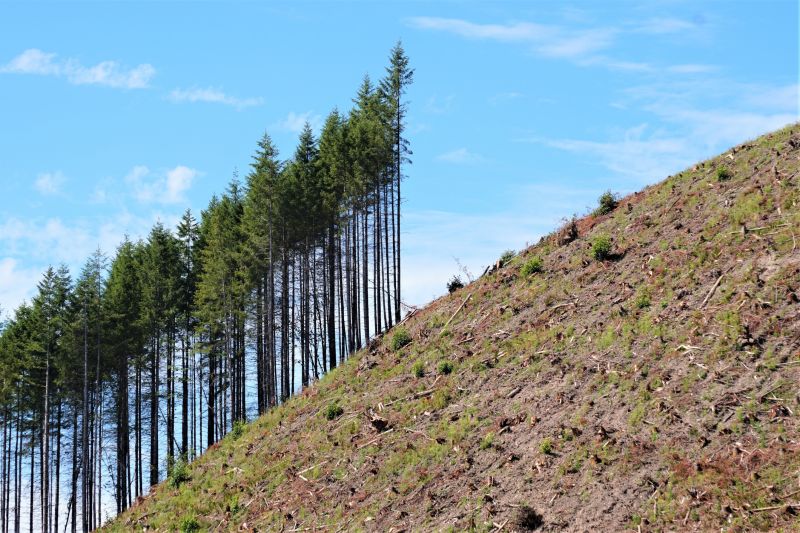
Slope Clearing in Salt Lake City, UT
Slope clearing services involve removing excess soil, vegetation, and debris from hillside or sloped areas to improve safety, stability, and usability of the property. These projects often include grading, contouring, and removing overgrown brush or trees to prevent erosion, facilitate drainage, or prepare land for construction, landscaping, or recreational use. Property owners typically want to understand the scope of work, including the extent of clearing needed, the methods used, and how the process can enhance the safety and appearance of their land.
Before requesting slope clearing, property owners should consider factors such as the size and steepness of the slope, existing vegetation, and any permits or regulations that may apply. It is also helpful to clarify the desired outcome, whether it’s erosion control, creating a level area, or improving access. Understanding these details can ensure the project aligns with the property’s needs and local guidelines, leading to a successful and safe slope clearing process.
Many property owners in Salt Lake City, UT look into Slope Clearing for repairs, replacements, upgrades, and appearance-related improvements.
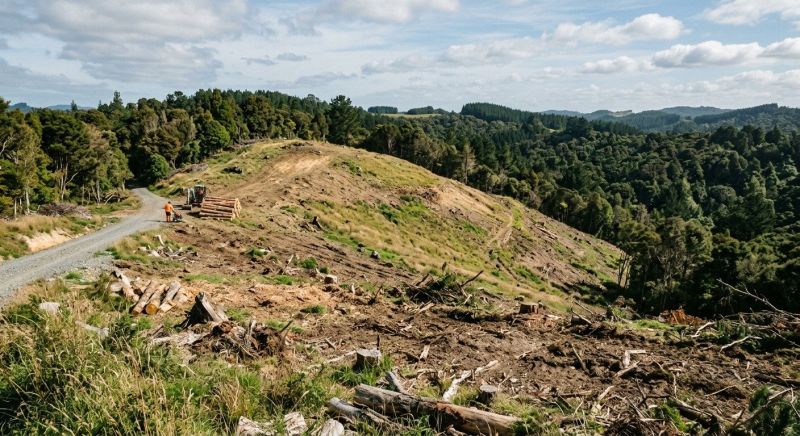
Slope Stabilization
Proper slope clearing helps prevent erosion and maintains landscape integrity.
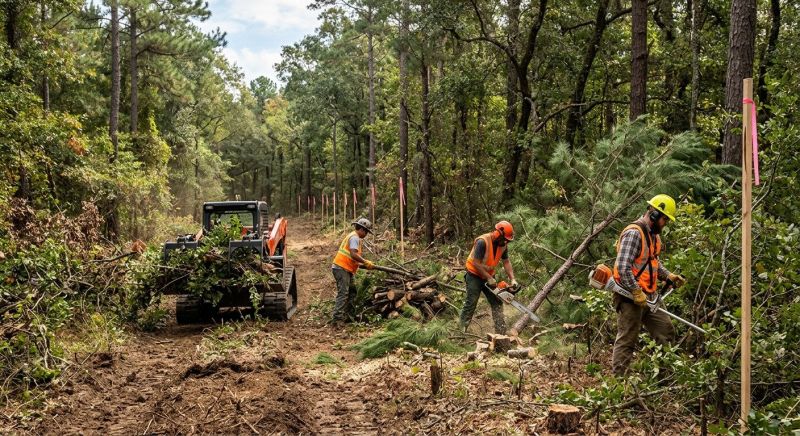
Land Preparation
Clearing slopes creates a safe and level area for construction or landscaping projects.
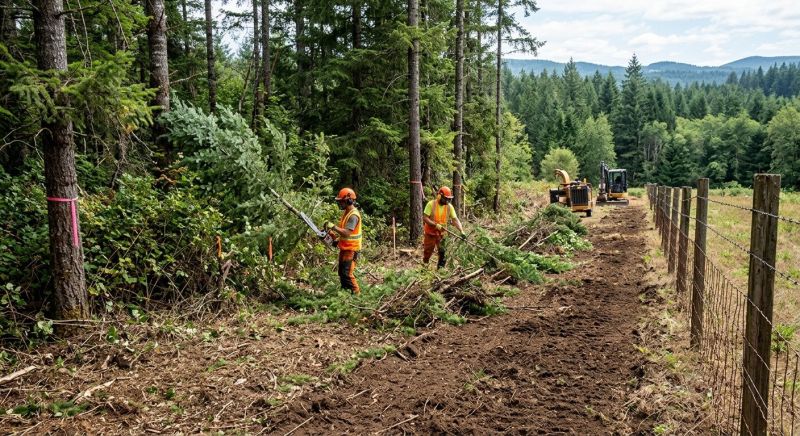
Drainage Improvement
Removing excess debris and vegetation enhances water flow and reduces flood risks on hilly properties.
Slope Clearing in Salt Lake City, UT

Slope clearing services involve removing excess soil, vegetation, and debris from hillside or sloped areas to improve safety, stability, and usability of the property. These projects often include grading, contouring, and removing overgrown brush or trees to prevent erosion, facilitate drainage, or prepare land for construction, landscaping, or recreational use. Property owners typically want to understand the scope of work, including the extent of clearing needed, the methods used, and how the process can enhance the safety and appearance of their land.
Before requesting slope clearing, property owners should consider factors such as the size and steepness of the slope, existing vegetation, and any permits or regulations that may apply. It is also helpful to clarify the desired outcome, whether it’s erosion control, creating a level area, or improving access. Understanding these details can ensure the project aligns with the property’s needs and local guidelines, leading to a successful and safe slope clearing process.
Many property owners in Salt Lake City, UT look into Slope Clearing for repairs, replacements, upgrades, and appearance-related improvements.
Common Slope Clearing Jobs
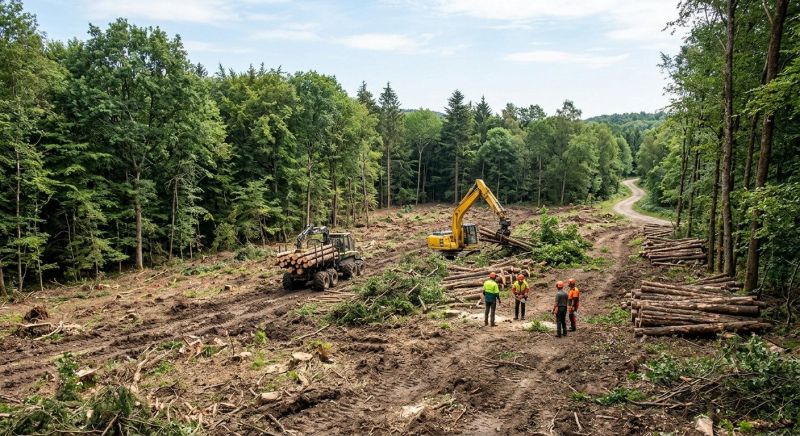
Slope clearing services involve removing debris, rocks, and overgrown vegetation from hillside areas.
Hillside erosion control helps stabilize slopes and prevent soil loss during heavy rains.
Terracing and grading prepare sloped land for landscaping, drainage, or construction projects.
Vegetation removal clears overgrown brush and trees to improve hillside accessibility and safety.
Drainage solutions are installed to manage water flow and reduce erosion on slopes.
Site cleanup and debris removal ensure the area is safe and ready for future use or development.
Slope Clearing Questions
What is slope clearing? Slope clearing involves removing trees, shrubs, and debris from hillside areas to improve stability and accessibility.
When is slope clearing needed? It is typically requested to prevent erosion, prepare land for construction, or improve drainage on sloped properties.
What should property owners consider before slope clearing? It's important to assess land stability, drainage patterns, and any local regulations or permits required.
How does slope clearing benefit property maintenance? Clearing slopes helps reduce erosion, control runoff, and maintain the safety and appearance of the landscape.
Request Slope Clearing in Salt Lake City, UT
Use the quote form on this page to share the basics of your project and request more information for the type of work you need.